Our Approach
Our approach
Starting with experience. Learning through dialogue. Moving towards action.
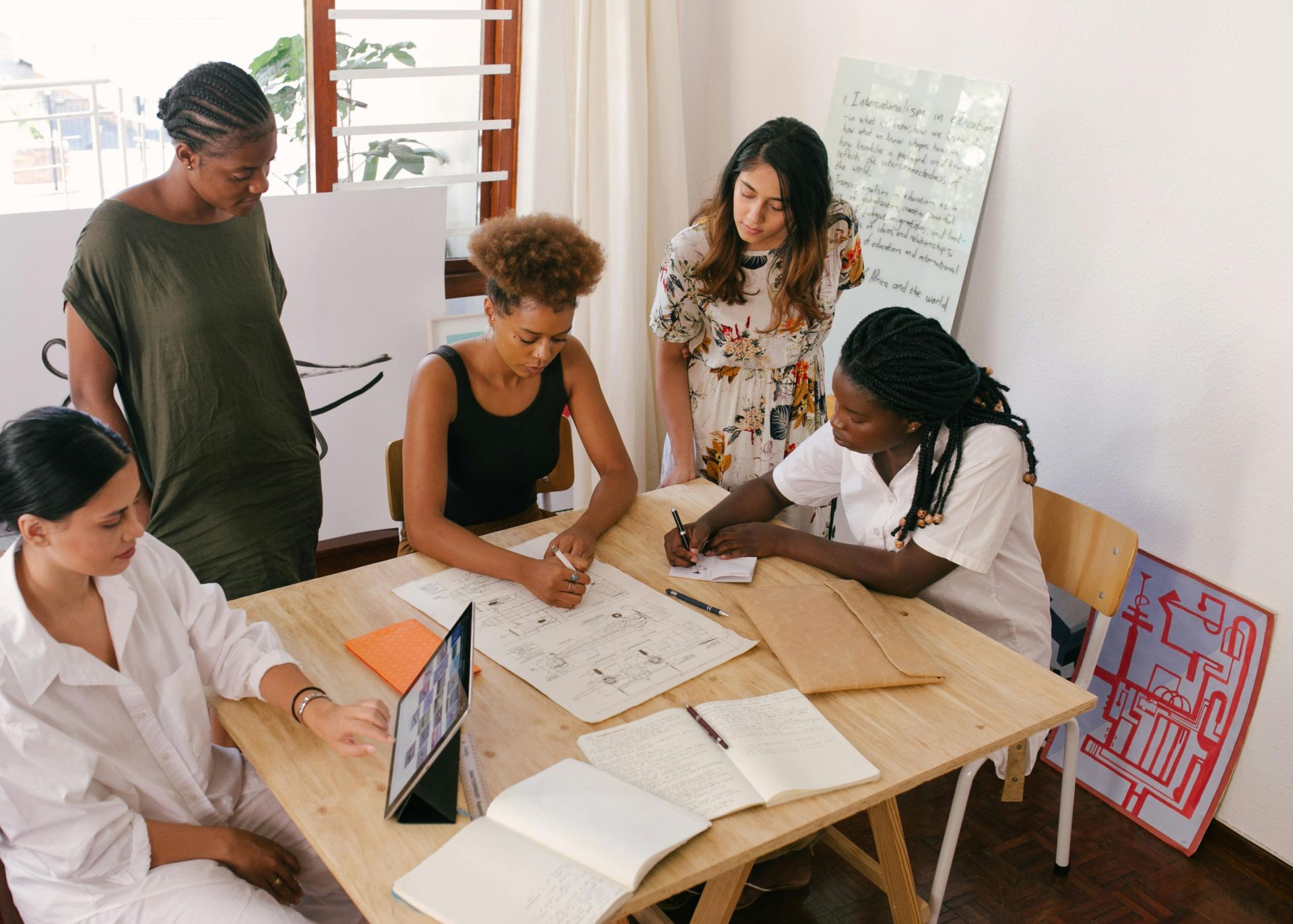
Our work is shaped by the philosophy and pedagogy of the Brazilian educator Paulo Freire. Freire challenged forms of education in which teachers possess knowledge and learners are expected simply to receive it. Instead, he proposed a dialogical and problem-posing approach in which people investigate their own reality, develop their understanding together and increase their capacity to act within the world. For us, this is not simply an educational technique. It influences how we approach learning, community development, research, consultancy and organisational practice.
We begin with experience
People already possess knowledge. They know something about the communities in which they live, the organisations in which they work, the services they use and the challenges they face. That experience is not the only form of knowledge, but it is an essential starting point. Our work therefore begins by listening carefully to people’s experiences, concerns, questions and aspirations.
We create dialogue
Dialogue involves more than giving everybody an opportunity to speak. It requires listening, questioning, reflection and a willingness to take other people’s knowledge seriously. It recognises relationships of power, and seeks to address them. It also allows disagreement. Communities and organisations are not homogeneous. People experience the same situation differently, occupy different positions and may have different interests. Meaningful dialogue does not manufacture artificial consensus. It creates space in which different perspectives can be examined.
We ask questions rather than impose diagnoses
A Freirean approach begins with problems and situations that have meaning for the people involved. Instead of arriving with a predetermined explanation, we ask questions such as: What is happening? Why does it matter? Who experiences it differently? What has shaped the present situation? What strengths and possibilities already exist? What could be different? This is sometimes called problem-posing education . The aim is not to lead participants towards a prescribed answer. It is to develop the capacity to investigate reality more critically.
We connect the local and the wider world
Individual and local experiences do not exist in isolation. Housing, employment, health, education, technology, migration, public services and community life are shaped by wider economic, political, cultural and institutional forces. We therefore encourage people to connect immediate experience with its wider context. We describe this as a glocal perspective: asking both what is happening here and what wider systems help produce that local reality.
We connect reflection and action
Freire used the term praxis to describe the relationship between reflection and action: Reflection without action can remain detached from everyday life. Action without reflection can become reactive or repeat familiar patterns. We therefore try to create a continuing process: experience → dialogue → critical reflection → action → reflection → further action The aim is not simply to understand the world more clearly, but to increase people’s capacity to participate in changing it.
We work with people, not on them
This has practical consequences. Wherever possible: people help identify the questions that matter participants contribute knowledge rather than merely receive it communities remain involved in interpreting what emerges research is undertaken with people rather than simply about them practical action grows from participants’ own analysis learning continues through reflection on what happens next
See the approach in practice
Our What Matters? project translates these principles into a practical community learning process. Participants begin with photographs, stories, videos and reflections about what matters to them. Those contributions become the starting point for dialogue, critical inquiry and collective action.